Unlocking the Power of Algorithmic Trading
Algorithmic trading has emerged the financial landscape, empowering traders with unparalleled precision. By leveraging complex algorithms and vast datasets, these automated systems can execute trades at lightning rates, minimizing human intervention. This capability allows traders to exploit market volatility with extraordinary accuracy.
- However, the implementation of algorithmic trading strategies requires a deep understanding of financial markets, programming languages, and risk management techniques.
- Moreover, traders must constantly monitor their algorithms to adjust to ever-changing market conditions and regulatory landscapes
Automated Forex Trading: Strategies for Success
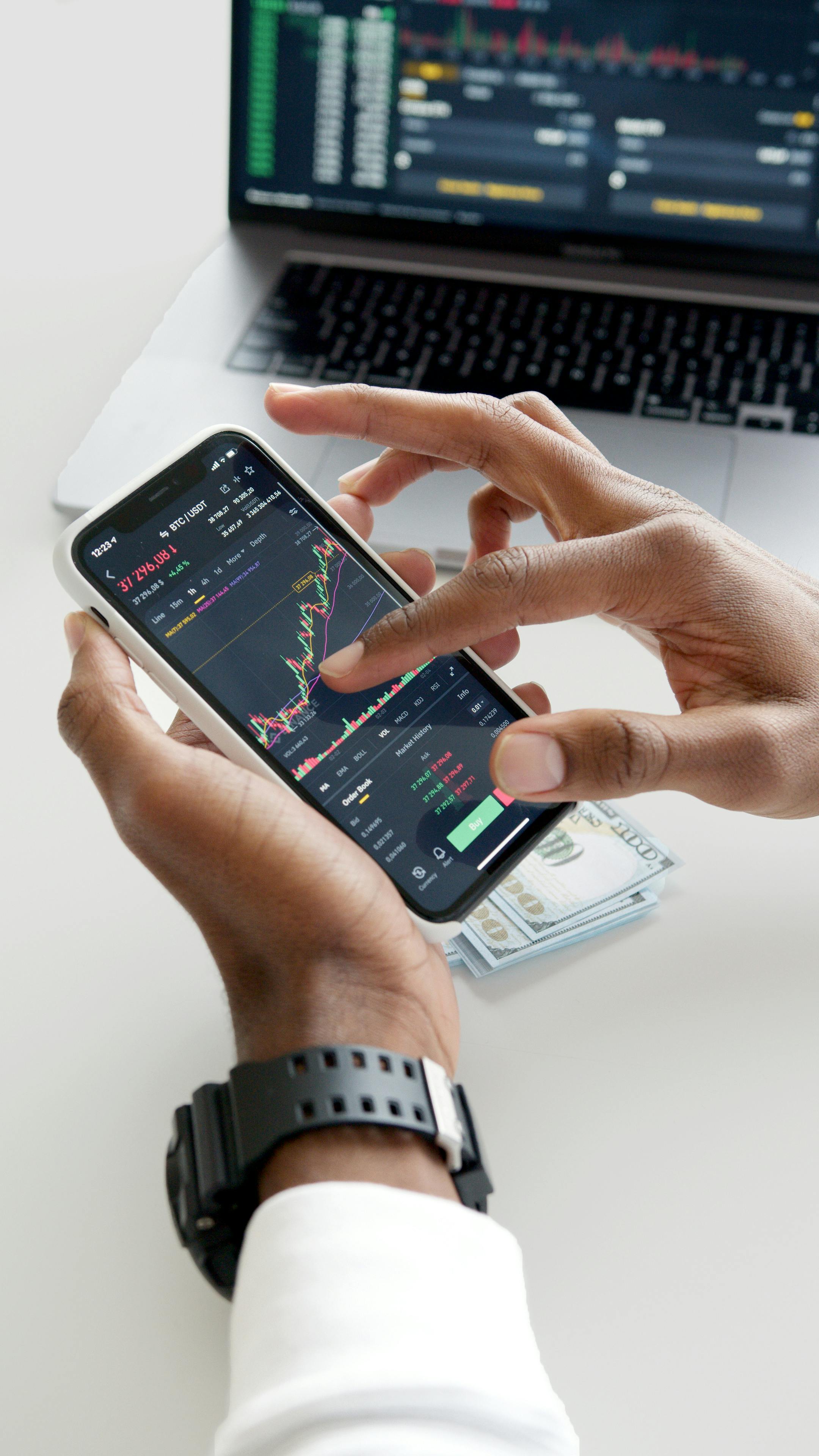
Stepping into the realm of automated forex trading can be both exciting and daunting. While algorithmic trading offers the potential to significant returns, it demands a strategic approach. Successful automated forex traders implement a variety of strategies to navigate the volatile trading arena. One crucial aspect is selecting the right trading platform that offers robust backtesting features, allowing you to analyze your strategies before deploying them with real capital.
Risk management is paramount in forex trading, and automated systems ought to be constructed with robust risk mitigation tools. This includes setting trailing stop orders to control potential losses. Moreover, diversifying your portfolio across various currency pairs can help mitigate the impact of any market movement.
Another key element is ongoing monitoring of your automated trading system. Market conditions are constantly evolving, so it's essential to adjust your strategies accordingly. Regularly review your performance metrics, such as win rate and profitability, to identify here areas for optimization.
- Regularly educate yourself on new trading techniques and market trends.
- Stay informed about economic events and their potential impact on currency pairs.
- Utilize a comprehensive risk management plan to protect your capital.
Unlock the Markets with Automated Trading Platforms
In today's fast-paced market landscape, staying ahead of the curve is paramount. Algorithmic systems provide a strategic solution to navigate the complexities and volatility of the markets. By leveraging cutting-edge technology, these platforms execute trades at lightning speed, reducing emotional influence and maximizing profitability.
With advanced strategies, automated trading platforms can interpret vast amounts of information to identify profitable opportunities. This technology track market conditions, adjusting trading settings in real time to optimize returns.
- Harness the power of data-driven decision making.
- Implement trades with lightning speed and precision.
- Eliminate emotional bias on trading decisions.
Gaining a competitive edge in the market is no longer a obstacle. Automated trading platforms empower investors to scale their operations.
Develop Your Own Algorithmic Trading System
Diving into the realm of algorithmic trading offers a thrilling challenge to automate your financial strategies. Crafting your own system, ,on the other hand, involves a blend of programming prowess and sound understanding of financial markets. ,Initially you'll need to establish your trading strategy, outlining the specific securities you'll focus on. Next, explore various signals that could predict market movements.
- Utilize programming languages like Python to translate your strategy into a functional system.
- Simulate your algorithm using historical data to gauge its success rate.
- Periodically monitor and adjust your system based on market conditions.
Keep in mind that algorithmic trading presents inherent risks. Rigorous planning, proper research, and a disciplined approach are crucial for success.
Unveiling the Secrets of Profitable Algorithmic Trading
Successful automated trading isn't merely about deploying complex programs; it rests on a robust foundation of scientific principles. Quantitative analysts leverage mathematical models to identify patterns and trends within market information. These models, continuously improved through machine learning algorithms, enable automated trading systems to execute transactions with precision and speed, exploiting fleeting market advantages.
- Position sizing strategies are essential to mitigate potential losses, ensuring the long-term viability of automated trading endeavors.
- Backtesting plays a vital role in testing the efficacy of trading strategies before deploying them in live market environments.
The constant evolution of financial markets demands that automated trading systems remain agile, incorporating real-time market data and adjusting variables accordingly to maintain optimal performance.
Automated Forex Trading
Navigating the dynamic world of foreign exchange (forex) trading can be a daunting task. With its 24/5 global market and rapid price fluctuations, success often requires meticulous analysis, unwavering discipline, and a significant time commitment. Nevertheless, forex automation presents a compelling solution for traders seeking to streamline their operations and enhance their potential for profitability. By leveraging advanced algorithms and automated trading systems, forex automation empowers traders to execute trades with precision, reduce emotional bias, and optimize market opportunities.
Such comprehensive guide delves into the intricacies of forex automation, exploring its key benefits, popular strategies, and essential considerations for successful implementation.
From understanding the fundamentals of algorithmic trading to selecting appropriate software platforms, this resource equips traders with the knowledge and insights needed to harness the power of automation in their forex endeavors.
Let's embark on a journey to unravel the complexities of forex automation and discover how it can revolutionize your trading experience.
- Unveiling the Basic Concepts of Forex Automation
- Programmatic Trading Strategies for Forex
- Choosing the Right Forex Automation Platform
- RiskMitigation
- Transitioning Started with Forex Automation
Inside the Enigma of Algorithmic Trading
Algorithmic trading has revolutionized the financial markets, allowing for instantaneous execution and complex strategies. However, the inner workings of these algorithms often remain a mystery, earning them the moniker "the black box." Interpreting this complexity is crucial for investors and regulators alike to assess the risks and opportunities presented by algorithmic trading. This requires a multi-faceted approach, blending technical expertise with a deep understanding of market dynamics.
One key aspect is examining the data that algorithms depend. This includes historical price movements, news articles, and even social media activity. By recognizing patterns and correlations within this data, we can acquire insights into how algorithms operate.
Furthermore, it's essential to consider the systems' designs. This involves analyzing their rules and understanding how they respond to changes. Only through this detailed analysis can we genuinely start to unravel the black box of algorithmic trading.
Unlocking Profits with Automated Trading Robots
In the dynamic realm of finance, where market fluctuations occur at a rapid pace, automated trading robots have emerged as powerful tools with unlocking profits. These sophisticated algorithms process vast amounts of market data in real time, identifying opportunities and executing trades with lightning-fast precision. Unlike human traders who may be susceptible to emotional biases, automated robots operate impartially, minimizing the risk from impulsive decisions.
Moreover, these robots can operate 24/7, tirelessly scrutinizing market conditions and seizing lucrative trading opportunities. By automating the trading process, investors have the ability to free up their time to focus on other aspects of their financial strategies.
- Despite this, it's crucial to remember that automated trading robots are not a guaranteed path to riches. Thorough research, careful selection regarding the right robot, and ongoing assessment can be essential with success in this dynamic field.
Automated Trading Strategies: Backtesting and Optimization
Backtesting coupled with optimization are crucial processes in the development of effective automated trading strategies. Through backtesting, traders can assess the effectiveness of a strategy using historical market data. This demands simulating trades within various market conditions to determine its potential profitability or.
Optimization, on the other hand, focuses on adjusting the parameters of a strategy to enhance its performance. This frequently involves employing statistical techniques and algorithms to identify the optimal settings that minimize risk while increasing returns.
By periodically backtesting and optimizing trading strategies, traders can improve their chances of success in this dynamic market environment.
Mastering Forex Volatility with Algorithms
Navigating the tumultuous waters of the foreign exchange market demands a keen understanding of volatility and precise algorithmic approaches. Skilled traders recognize that swings in currency values present both risks and opportunities, and sophisticated algorithms can be pivotal in leveraging these dynamic market conditions. By implementing algorithms that analyze vast amounts of real-time data, traders can detect emerging trends and trigger trades with unprecedented speed and accuracy.
Furthermore, algorithmic trading allows for exposure management by streamlining order execution based on pre-defined criteria. This reduces the emotional impact of market volatility, enabling traders to preserve a disciplined trading strategy.
Algorithmic Execution in Financial Markets: A Primer on HFT
High-frequency trading, often abbreviated as HFT, is a rapidly evolving sector within finance. It involves the use of sophisticated computer algorithms to execute vast quantities of trades at lightning-fast speeds. These algorithms analyze market data in real time and promptly place orders, seeking to profit from even the most minute price fluctuations. While HFT can contribute to market liquidity and smoothness, its rapid-fire nature has also raised questions about fairness and potential for market manipulation.
- The primary characteristic of HFT is the use of colocation, where trading firms place their servers in close proximity to trading platforms, minimizing latency and enabling faster order execution.
- Moreover, HFT often relies on complex mathematical models and statistical analysis to identify profitable trading opportunities.
- However its high-speed nature, HFT is not without its challenges. Market volatility can significantly impact the success of HFT strategies.
The Evolution of Finance: Algorithmic Trading
The finance industry is undergoing a profound transformation driven by the rise of algorithmic trading. These sophisticated computer programs execute trades at incredible speeds and with exceptional accuracy, revolutionizing traditional market operations. As technology continues to advance, we can expect to see even more sophisticated algorithms emerge, shaping the future of finance in several key ways.
- Rapid-fire Trading is expected to become even more prevalent, with algorithms capable of executing thousands or even millions of trades per second.
- Personalized financial advice will become increasingly widespread, as algorithms analyze individual investor data to provide unique recommendations.
- Risk management will also benefit from algorithmic trading, with algorithms able to identify potential risks and adjust portfolios accordingly.
However, the increasing reliance on algorithms also raises issues about market stability. It's crucial that regulators develop policies and frameworks to ensure that algorithmic trading is conducted appropriately, protecting investors and maintaining the integrity of financial markets.
Controlling Risk in Automated Forex Trading
Successfully navigating the volatile terrain of automated forex trading copyrights on a robust risk management strategy. It's crucial to deploy clear parameters that reduce potential losses while maximizing your profitability. This involves meticulously selecting appropriate indicators for your trading algorithm, spreading your capital across multiple assets, and implementing stop-loss orders to control downside risk.
- Furthermore, it's essential to regularly review your trading performance and adjust your risk management parameters as market conditions evolve.
- Consistently applying these principles can help you weather the inherent fluctuations of forex trading and secure your financial goals.
Constructing a Robust Automated Trading Framework
Crafting a robust automated trading framework requires a meticulous approach encompassing multiple key factors. A solid foundation involves identifying viable trading approaches that align with your risk profile and market environment. Thorough backtesting is crucial to validate the efficacy of your strategies in historical information. To ensure smooth execution, incorporating a reliable trading platform and robust order management system is indispensable. Continuous evaluation and adjustment of your framework are paramount to adapt to dynamic market trends.
Exploiting AI for Profitable Algorithmic Trading
The convergence of artificial intelligence and algorithmic trading presents a paradigm shift in the financial landscape. AI-powered algorithms can process vast datasets, detecting intricate patterns and indicators that elude human perception. This potential empowers traders to make informed decisions with increased effectiveness, ultimately leading to optimized profitability. By implementing AI-driven strategies, traders can mitigate risk while amplifying potential returns in the dynamic world of financial markets.
Trading Automation: A Beginner's Guide
Dive into the world of automated strategies with this comprehensive guide for beginners. Discover how to leverage technology to automate your market-making strategies. Learn about frequently used software for creating automated systems and understand the essentials of simulating your trades before deploying them in live exchanges.
- Uncover the pros of automated trading
- Understand the potential downsides involved in algorithmic trading
- Learn about diverse methods of market-making systems
Advanced Techniques in Automated Forex Strategies
In the dynamic realm of Forex trading, automated strategies have emerged as a popular approach to capitalize on market fluctuations. To enhance profitability and mitigate risk, traders are increasingly utilizing advanced techniques in their automated systems. These methodologies often employ sophisticated algorithms and indicators to identify profitable opportunities. By leveraging machine learning and artificial intelligence, these strategies can interpret vast amounts of market data in real time, enabling them to make timely trading decisions.
Additionally, advanced techniques may incorporate risk management strategies to protect capital and enhance overall portfolio performance.
- Backtesting frameworks enable traders to rigorously evaluate the historical performance of their automated strategies, identifying potential strengths and weaknesses before deployment in live markets. ,
- Adaptive algorithms can dynamically adjust trading parameters based on changing market conditions, improving adaptability and responsiveness to evolving trends. ,
- High-frequency trading (HFT) techniques utilize ultra-fast execution speeds to capture fleeting price movements and generate profits from small arbitrage opportunities.
Significantly, the continuous evolution of technology fuels innovation in automated Forex strategies. As traders seek an edge in the competitive market, the adoption of advanced techniques is likely to persist in shaping the future of automated trading.
Transition From Theory to Practice: Implementing Algorithmic Trading
The space of algorithmic trading often presents a tantalizing possibility for investors seeking to harness the power of mathematical models. Nonetheless, bridging the gap between theoretical ideas and practical implementation can be a complex endeavor. Key considerations span risk management, input quality, platform, and the persistent adjustment of trading systems.
A robust system should be in place to monitor performance meticulously, evolving the algorithms as market conditions fluctuate.
Customize Your Automated Trading Platform
One of the vital advantages of utilizing an automated trading platform is its adaptability. You can fine-tune your strategies to match with your trading style by exploiting the robust features available. Consider creating custom signals based on your specific market insights. This control allows you to enhance the performance of your automated trading approach.
- Experiment| with various parameters to discover the optimal configuration for your investment goals.
- Configure your trades based on customizable criteria.
- Analyze your strategies using historical data to assess their probability of success.
Mindset of Automated Trading Success
Achieving consistent success in the realm of automated trading requires more than just sophisticated algorithms and robust infrastructure. Deeply understanding the psychological forces at play is crucial for navigating the inherent volatility of financial markets. Emotions such as anxiety can easily cloud judgment, leading to impulsive decisions that undermine even the most well-designed trading systems. A disciplined strategy, characterized by calculated decision-making and a focus on long-term goals, is essential for cultivating sustainable success in automated trading.
Staying Ahead with Algorithmic Innovation
In today's rapidly evolving technological landscape, remaining at the forefront of algorithmic innovation is paramount for companies. Algorithms are revolutionizing nearly every aspect of our lives, from customized recommendations to advanced data analysis. To harness the full potential of algorithms and achieve a competitive edge, it's crucial to embrace a culture of continuous learning and experimentation.
- Engaging in industry conferences and workshops can provide valuable insights into the latest trends and breakthroughs.
- Strengthening relationships with experts in the field can foster collaboration and knowledge sharing.
- Experimenting new algorithms and tools can help identify innovative solutions to challenges.
By keeping abreast of algorithmic advancements, we can tap into the transformative power of this rapidly evolving field.